

Twenty years ago, I started a business with more hope than experience. I was naive about what it would take to build something lasting. Along the way, I’ve made mistakes, put trust in others, celebrated wins I never saw coming, and learned lessons I couldn’t have imagined in those early days. Knowing that only 25% of businesses make it past 15 years, I’m grateful to still be here, reflecting on what got us through.
These 20 lessons aren’t just what worked for me. They’re the hard-won truths that shaped how I lead, how I hire, how I think about success, and how I show up every day. If you’re building something of your own, I hope they help you navigate the path ahead.

1. Customers Are Everything: Listening Is Your Superpower
Voice of the customer (VOC) isn’t a buzzword. It’s the difference between building what you think people want and building what they actually need. Early on, I learned that the businesses that thrive are the ones that stay curious about their customers’ challenges, frustrations, and aspirations. Asking for direct feedback on the service you are providing for them will give you the best direction for the future. If you’re not actively listening, you’re guessing, and guessing is expensive.
2. Transparency with Clients Isn’t Optional: It’s Your Reputation
You don’t fully understand the power of honesty until someone on your team is faced with a moment that requires courage: telling a client something they don’t want to hear. Our clients have shared stories of others in our field who didn’t have the guts to call out inconsistencies, half-truths, or outright lies. At my firm, we live by “honest but positive.” Not every company is the right cultural fit for every candidate. When we put all the cards on the table, both the good and the bad, we help people make informed choices. That builds trust that lasts.
3. Transparency with Your Team Is Just as Critical
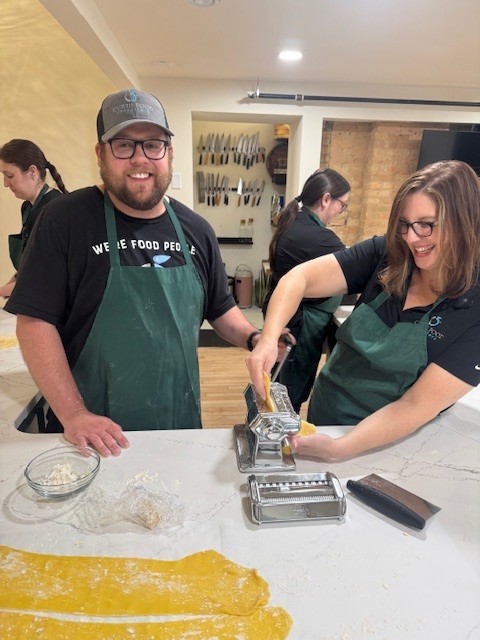
It took me years to figure this out. I started the business by being transparent with customers, but I held back with my team. I thought shielding them from financial uncertainty would keep everyone calm. The opposite happened. Not sharing details created more anxiety, not less. Now, I share wins, losses, the financial state of the business, and our goals openly. It gives the team clarity on what’s working, what’s not, and where we’re headed. Transparency turns employees into partners.
4. Focus on Your Strengths: It’s Liberating
So many firms try to be all things to everyone. I love the food industry. Having a focus, purpose, and methodology that works has allowed us to go narrow and deep instead of wide. When you know your lane and own it, you stop competing with everyone and start serving the people and companies who need exactly what you offer. Specialization isn’t limiting; it’s liberating.
5. Saying No to the Wrong Business Opens the Door to the Right Business
Turning down business that doesn’t align with your core expertise is hard, but it frees up time and energy to pursue relationships that do. Every “no” to the wrong opportunity is a “yes” to building something better. The discipline to walk away from misaligned work has been one of the most valuable skills I’ve developed.
6. Invest in Experienced Talent to Scale Faster and Smarter
When you’re ready to grow, experienced talent is worth the investment. They bring knowledge, maturity, and the ability to move the business forward without needing their hand held. Early-stage scrappiness has its place, but scaling requires people who’ve already learned the lessons you can’t afford to repeat.
7. Integrity and Customer Care Aren’t Optional
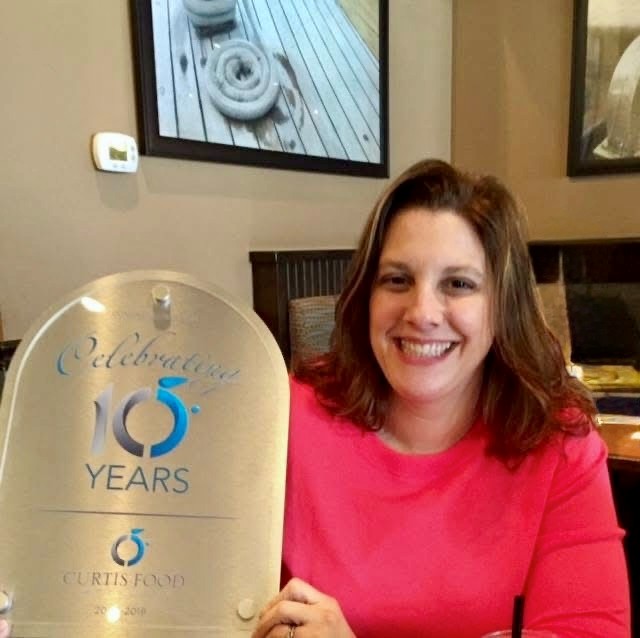
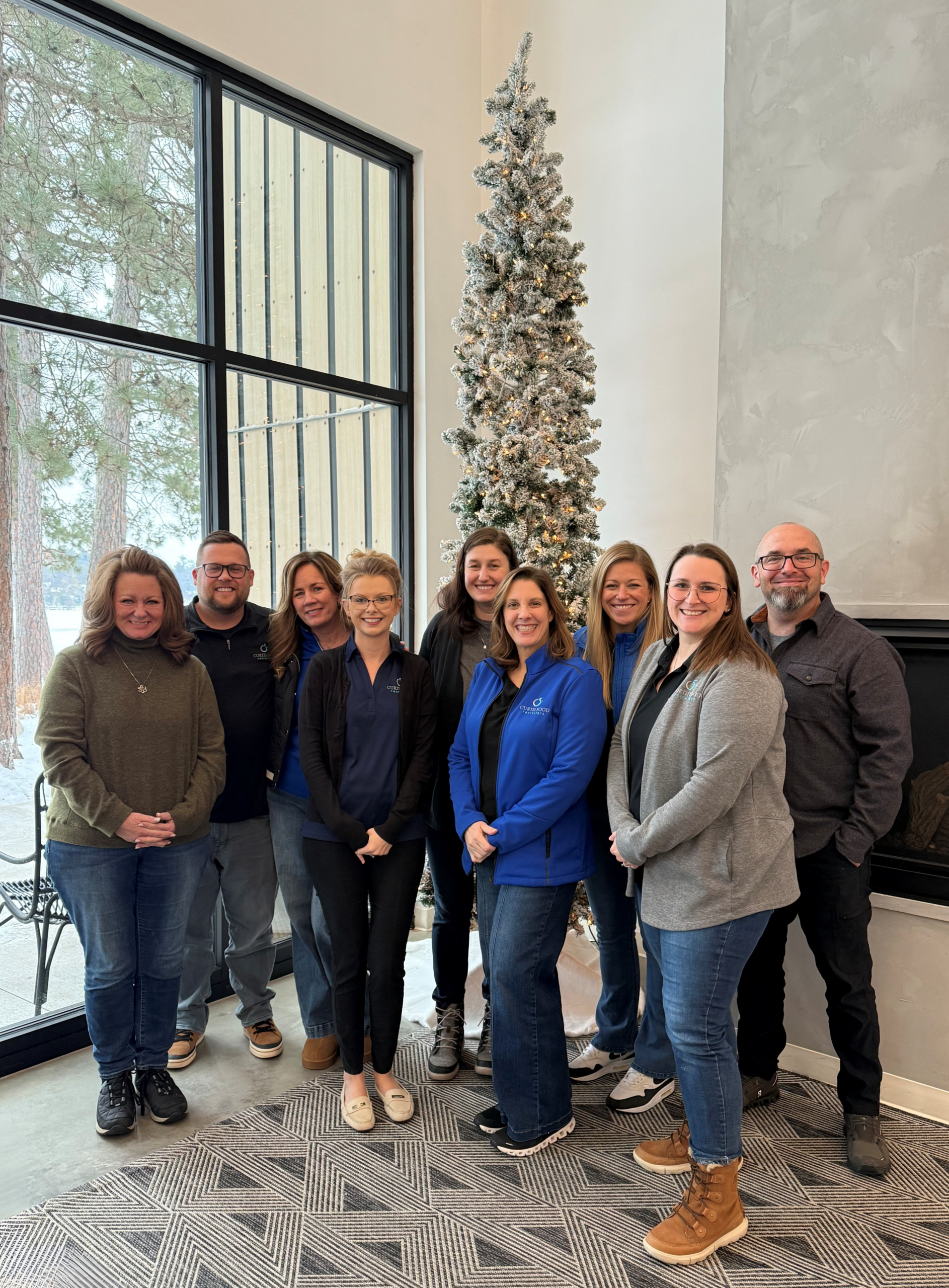
Skills can be developed. Integrity and a true service mindset are harder to identify in an interview and even harder to instill later, which is why they matter most. I hire people who understand the value of making our customers feel supported, cared for, and confident that we have their best interests in mind. We look for consistency in their history, references, and personality assessments. When someone has strong customer service instincts and a deep sense of integrity, they elevate the entire team.
8. Communication Is Key: Especially with a Remote Team
Remote work has given my team flexibility, but it requires intentional communication. Staying approachable, having regular calls that balance the personal and the professional, and maintaining a weekly cadence to solve issues, celebrate wins, and gain traction are practices that keep us connected. When you can’t walk down the hall, you have to over-communicate with purpose.
9. Build Your Network Like Your Business Depends on It
So many people focus only on the relationships inside their own organization and forget the power of reaching out socially, professionally, and academically. Connecting with others in your same role, in cross-functional roles, and at different levels of leadership creates opportunities to learn, share knowledge, and open doors you didn’t know existed. Building a strong professional network isn’t just beneficial today; it’s an investment in tomorrow.
10. Turn Mistakes into Teachable Moments
Mistakes happen. What matters is how we respond. I’ve built a culture where everyone owns their missteps and shares them with the team. We ask for each other’s insight and work through challenges together. We talk through what went wrong, how we created a solution, and what we’ll do differently next time. When people know the team will rally around them, they feel empowered to take ownership and grow. They can be honest when something doesn’t go as planned and find strength in those moments rather than failure. Teachable moments build resilience.

11. Continuous Learning Is Non-Negotiable
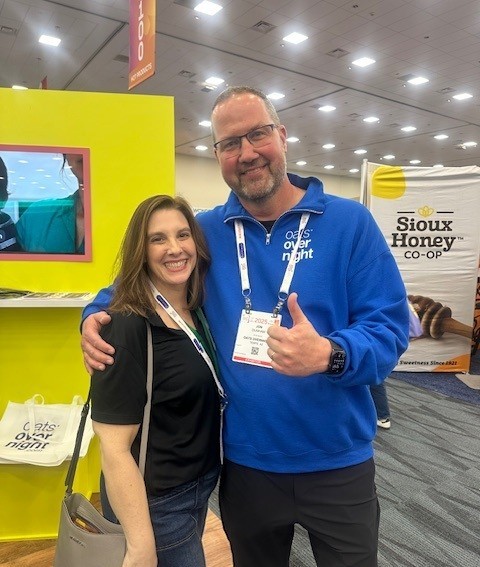
I’ve learned from books, my team, customers, coaches, speakers, and mentors. I love a strong motivational speaker. The moment you stop learning is the moment you start falling behind. Invest in your own growth relentlessly and invest in your team. The best leaders are the best students.
12. Mentorship Isn’t a Luxury
Mentorship has been key to my journey. Having people who’ve walked the path before you, who can offer perspective, challenge your thinking, and celebrate your progress, is invaluable. I feel so fortunate to have learned from some of the best in and out of executive recruitment. The time others have invested in me has allowed me to invest in others who are starting their own businesses, looking to grow professionally, or who want guidance on creating space to focus on their own development. The exchange of wisdom and energy goes both ways.
13. Focus on Activities That Give You Energy
Pay attention to what gives you a dopamine hit, the tasks that energize rather than drain you. Success is your own responsibility, and part of that is designing a role and a business that plays to your strengths and passions. Early on, I read The E-Myth by Michael E. Gerber, and one of the lessons was hiring others to do the work that falls outside of your sweet spot. In the beginning, it’s not always easy, but hiring people to handle data entry, accounting, and marketing allowed me to focus on the work that I excel at. I tell my kids, and anyone who will listen, how important it is to wake up every day feeling excitement rather than dread. I feel so fortunate to do work that doesn’t feel like work. I get so much joy out of the time I spend with my candidates and clients. When you focus on what lights you up, the work stops feeling like work.
14. Allow Yourself Some Flexibility
I started my business in 2006, well before remote work was mainstream. This business allowed me to be there when my kids got on and off the bus every day. It may seem like a small thing to some, but it meant the world to me. Design your life and work in a way that allows you to be present for both. I found I could be just as productive at my desk as I could be at my daughter’s practice. Designing my day around their schedule was a luxury I never took for granted. It is a benefit my entire team now enjoys, and one that allows them to accomplish their goals without guilt about where or when they work.
15. Comparison Is the Thief of Joy
Theodore Roosevelt once said, “Comparison is the thief of joy”. A speaker at my daughter’s college admissions day reiterated it, and while I am competitive by nature, I try to live by this statement. Someone will always make more money, have a larger team, or win the account you pitched for. Comparing yourself to others is a waste of time and mental energy. Focus on your own path. Define success on your own terms. Your journey is yours, and that’s enough.
16. “No” Just Means “Not Right Now”
Rejection is part of business. Most people who start a business do not have a sales background and have never made a cold call or delivered a sales pitch. You learn quickly that a “no” won’t kill you, but not picking up the phone can kill your business. Keep showing up. Keep reaching out. “No” is often just “not right now” and a gateway to “yes”. Persistence and resilience matter more than perfection.

17. Curiosity About People Is the Foundation of Connection
My whole career has been built on being curious and interested in others. I want to hear why they chose their career path, what propelled them, and the challenges they’ve overcome. When you approach people with genuine curiosity, you build relationships that matter. I try to make everyone feel seen and understood, and that their story matters. Business is ultimately about people, and people remember how you made them feel.
18. Hiring Friends & Family Can Be a Gift
People will tell you not to hire friends and family. I have done both, and it has worked out in my favor. Hiring friends and hiring people who become like family has been one of the great pleasures of this journey. When you build a team rooted in trust, respect, and shared values, work becomes more than a job. It becomes a place people are invested in, not just employed by.
19. Give Back—It’s Not Optional
CROSS Services, a local food shelf in Rogers, Minnesota, has been one of our favorite organizations to support. The diversity of services they provide, from food and coats to school supplies and rent assistance, makes a real difference in our community. For our 20th anniversary, we’re adding support for the American Cancer Society, Hope Lodge, and a build day with Habitat for Humanity. We grant each employee an additional 16 hours per year for volunteering. Giving back isn’t just good business. When you’ve been fortunate enough to build something successful, you have a responsibility to lift others up. Volunteering allows us to do just that and gives our remote team the opportunity to connect in person as we make a tangible difference together.
20. Scaling a Business Is Hard and Worth It
Scaling is one of the hardest things I’ve done. It requires different skills, strong systems, and a willingness to let go of control. But it’s also deeply rewarding. Growth means more impact, more opportunities for your team, and the chance to build something that outlasts you.
I didn’t figure it out alone. I owe much of what I’ve learned to my executive coach, Sarah Bridges, CEO Next (a local business roundtable funded by Hennepin County), and EOS. The EOS process, while in-depth, has played a significant role in helping CFR grow and thrive. Doubling your headcount, delegating, elevating the team, and making hard decisions about the skill sets needed to ensure a strong foundation all come with their share of challenges. The struggle is real, but so is the payoff.
Twenty years in, I’m still learning. I’m still making mistakes. But I’m still here. Still showing up. Still building. I’m grateful for the people who’ve supported me, the customers who’ve trusted me, and the journey that continues to unfold. Here’s to the next twenty.
Meet The Author

Julie Curtis
Julie Curtis is the founder and President of Curtis Food Recruiters, an executive search firm that partners with food and beverage industry clients to build proactive talent strategies. She works with HR leaders, CEOs, and founders to align hiring with long-term business goals, helping organizations identify leaders who fit both the role and the culture.
Julie has dedicated her career to the food industry. With a Marketing degree from Minnesota State University, she built a strong foundation in procurement, merchandising, and supply chain before moving into executive recruitment for leading food, grocery, and retail organizations. Her pivotal role as Head of Talent Acquisition at Nash Finch shaped her philosophy of aligning talent with the right culture, leadership style, and skills for long-term success. In 2006, she launched Curtis Food Recruiters, where she combines deep industry expertise with a passion for helping companies and candidates thrive.