
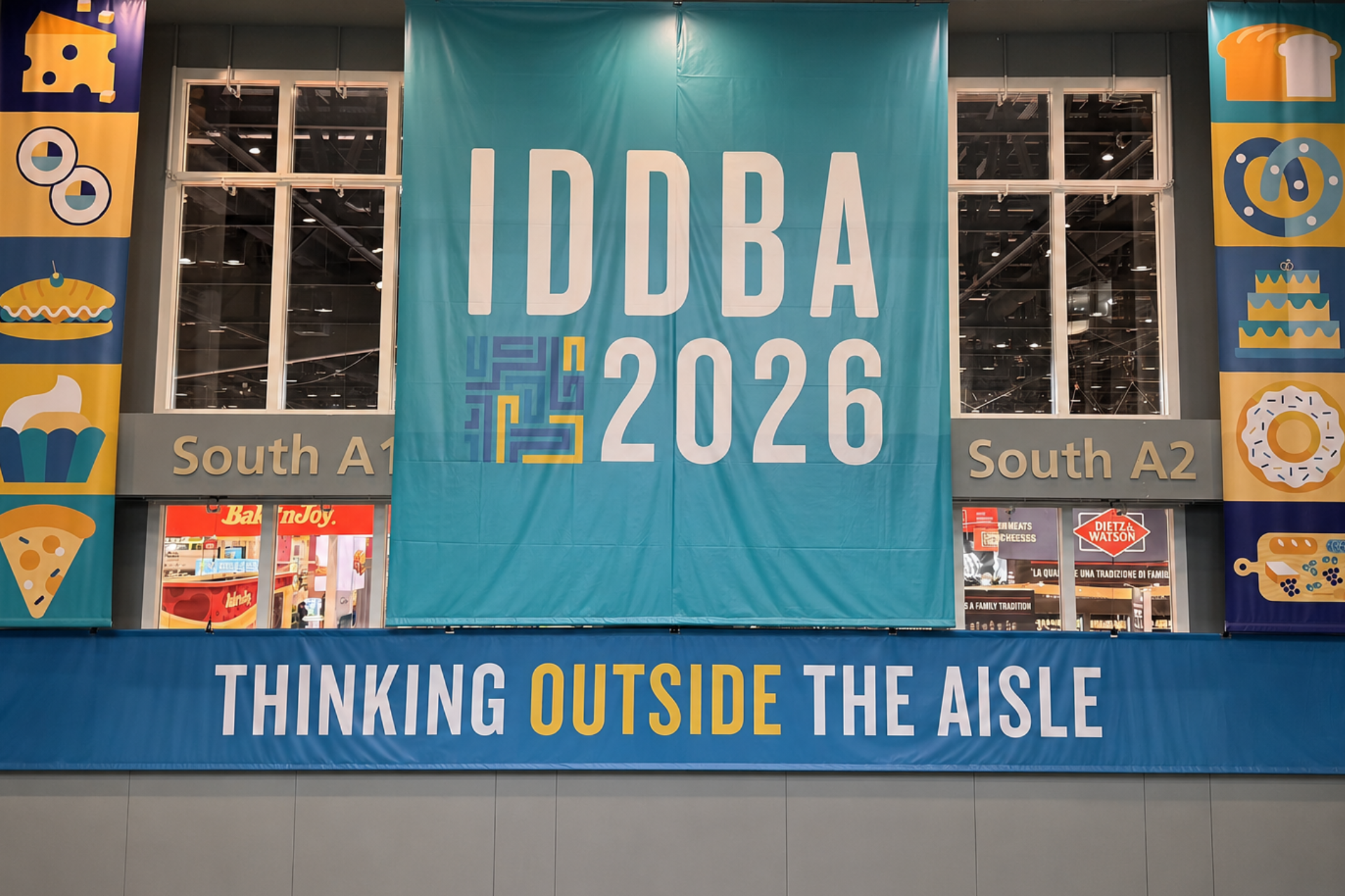
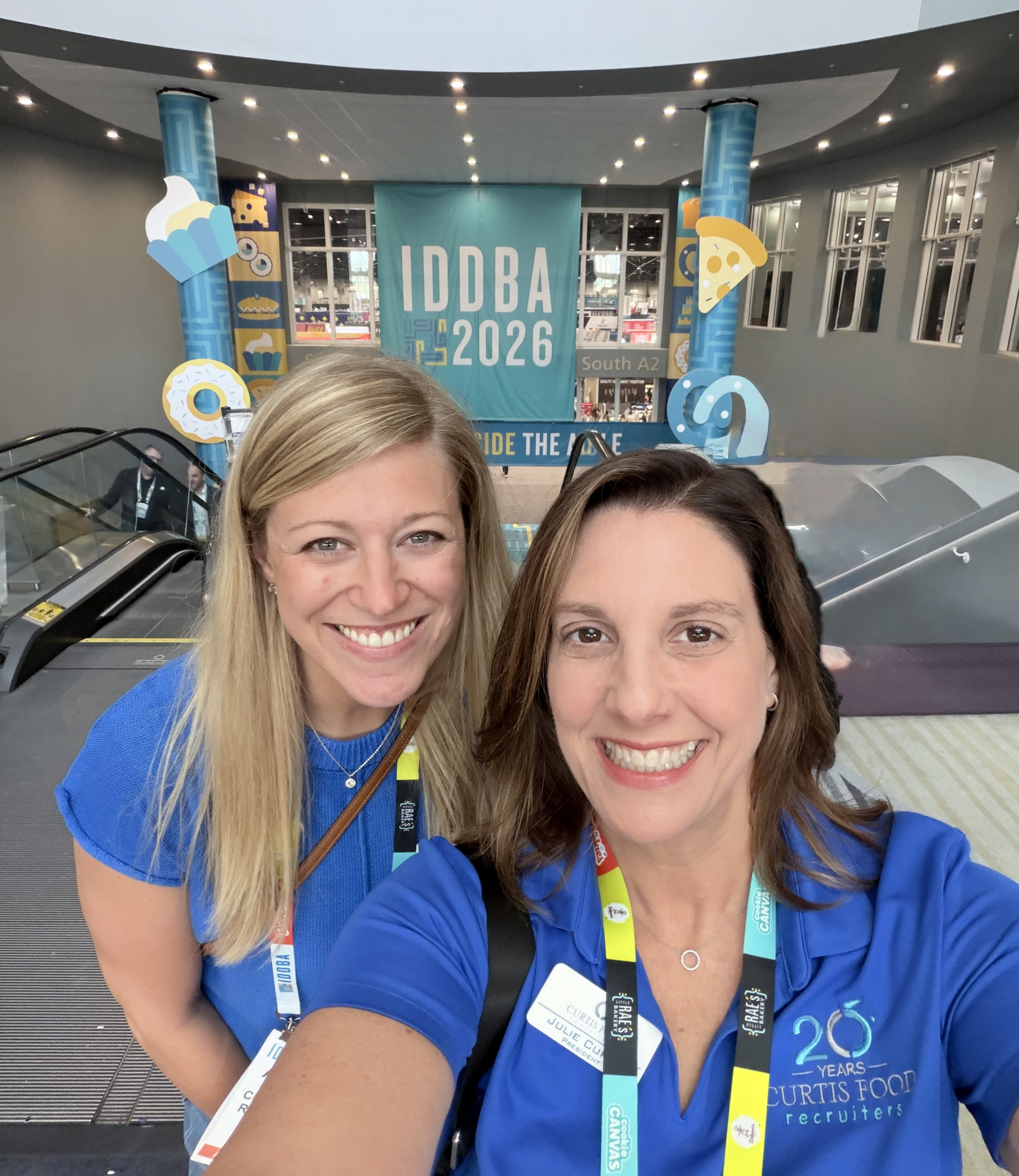
Ashton Hansen and I represented Curtis Food Recruiters at IDDBA 2026 in Orlando, where we spent time on the show floor connecting with industry professionals and companies across dairy, deli, bakery, and foodservice.
The event offered a firsthand look at the products and trends shaping store perimeters. The energy across the show floor was strong, with many conversations focused on how to deliver quality, convenience, and differentiation in a more complex consumer environment.
Affordable indulgence and convenience remain priorities
That balance matters. Products need to feel exciting to the consumer while still making sense from a retail execution standpoint. It also reflects a broader shift in how consumers define value: not simply as the lowest price, but as a product experience that feels worth the spend.
Retailers are focused on margin, labor, and execution
For many companies, the strongest product ideas are those that solve more than one problem at once. They help retailers differentiate, reduce complexity, support consistent execution, and give consumers a reason to come back. As prepared foods and retail foodservice continue to replace some restaurant occasions, execution, freshness, and convenience become even more important.
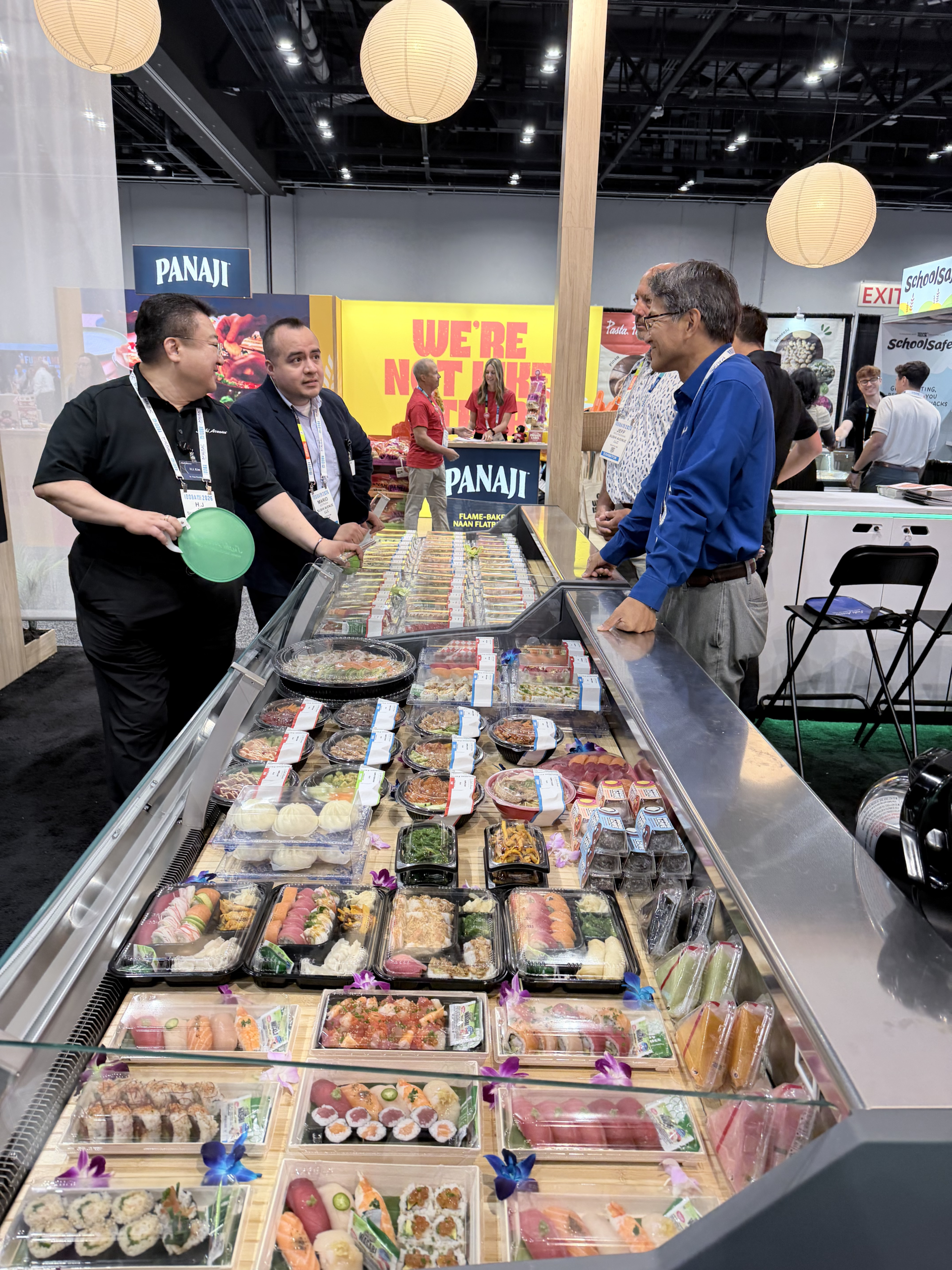
Protein and functional positioning continue to expand
While protein remains a leading cue, the opportunity appears to be expanding toward nutrient density, fiber, gut health, and products that offer both flavor and a functional reason to buy. As consumers continue looking for options that balance great taste, convenience, and added benefits, functional positioning could become increasingly relevant across dairy, deli, bakery, and prepared foods.
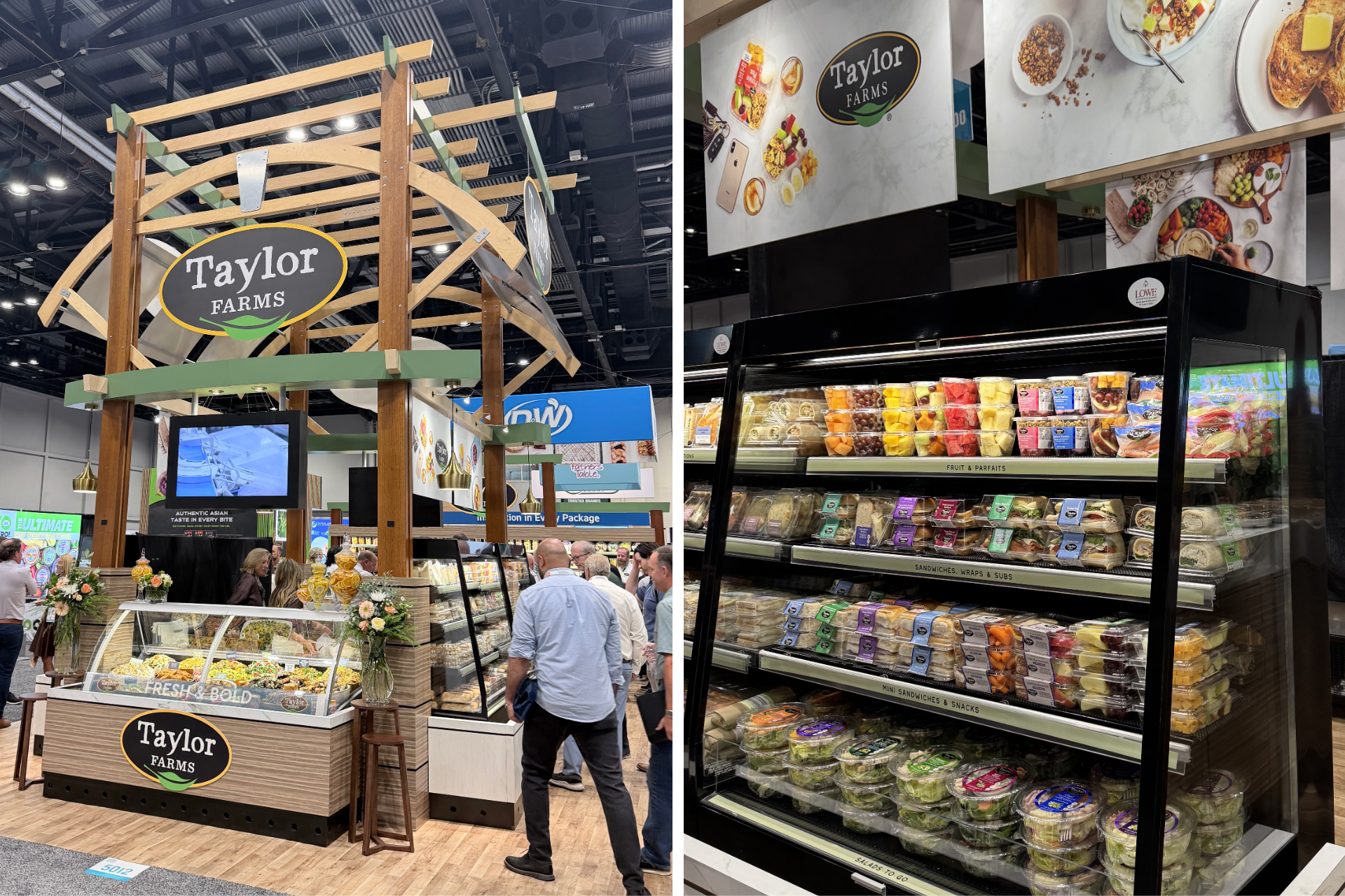
Visuals matter from product to packaging to display
Taylor Farms’ booth stood out to our team for the strength of its overall presentation, reinforcing how important visual appeal has become in crowded categories. Strong visuals help communicate quality quickly, but they also support the broader story a product is trying to tell.
Products and experiences that caught our attention
We enjoyed a wide variety of samples, with highlights including:
- Cheesecake from Cotton Blues Cheesecake Company
- Multigrain gluten-free artisan bread with chia from GreenLite
- Sweet tea and lemonade from Cane Brew
- Crullers from Grebe’s Bakery
- Top-9-allergen-free chocolate cupcakes from Red Plate Foods
- Scallop sushi from Sushi Avenue
- Pork belly burnt ends from Lou’s Kitchen
- Lemon gelato with pistachio sauce from PreGel
- Carnitas potstickers from Ajinomoto
- Cheese curds from Ellsworth Cooperative Creamery
- Crispy bars from Rise Baking Company
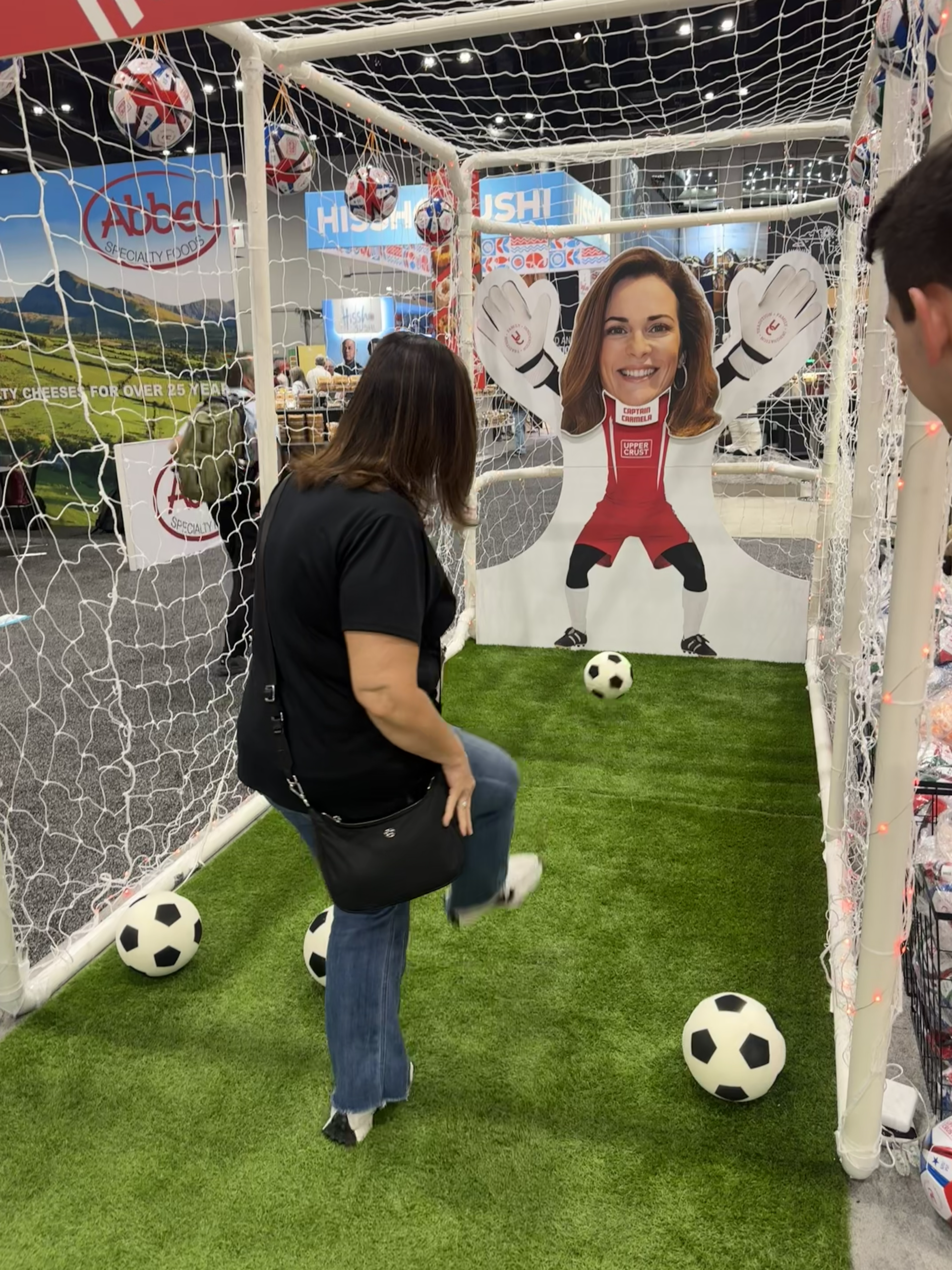
IDDBA also offered plenty of memorable experiences beyond the samples, from catching up with industry connections to participating in booth activities like Upper Crust’s World Cup-themed soccer game. Overall, the atmosphere was lively and engaging.
Storytelling, trust, and consumer connection
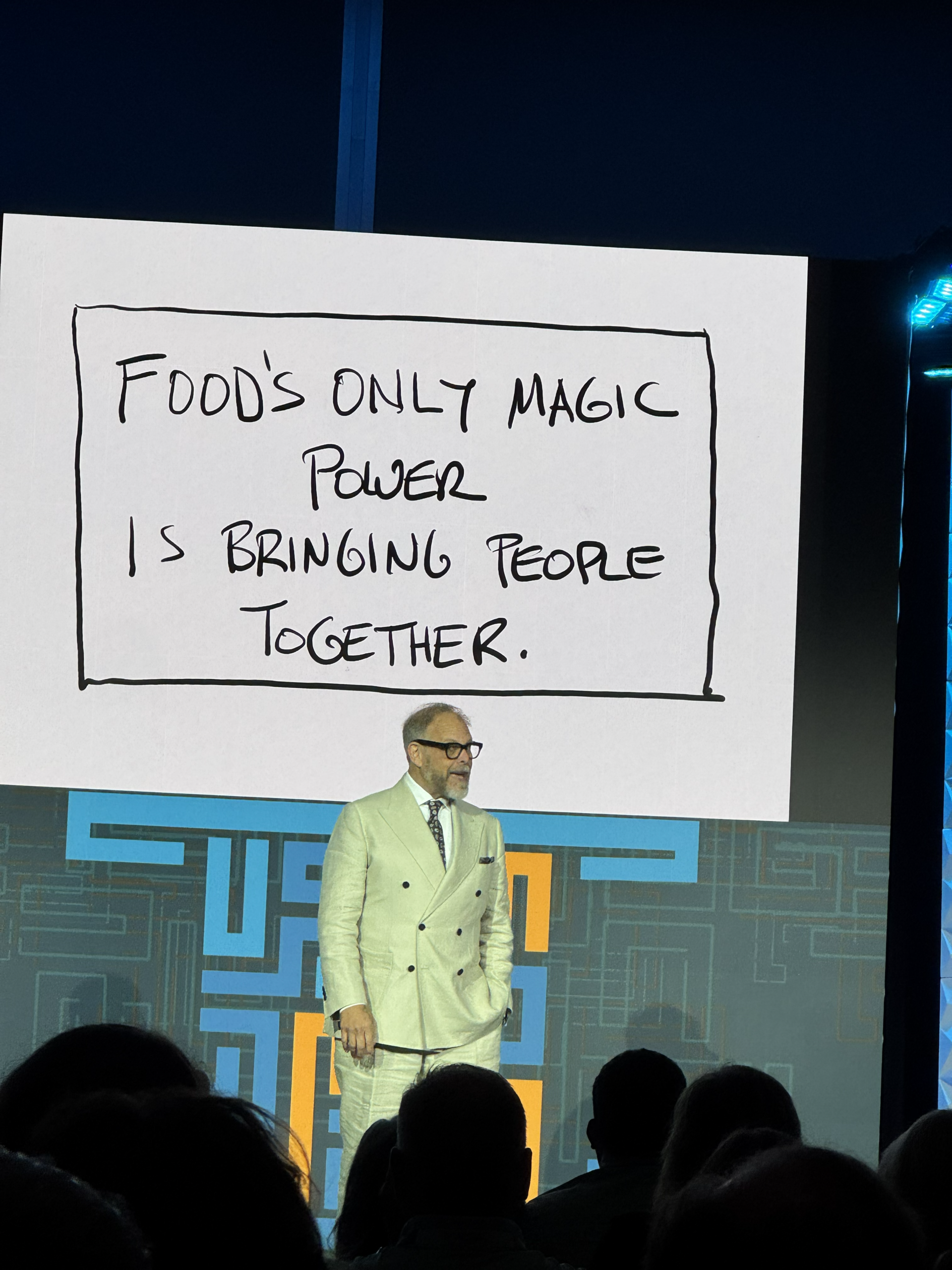
Alton Brown spoke about the way technology, media, and shifting consumer behavior have changed how people discover, discuss, and identify with food. One line stood out in particular: “Remember that food’s only magic power is bringing people together. That, friends, must stay at the heart of everything we do.” In an industry often focused on margin, innovation, cost, and execution, that reminder felt especially relevant. It also points to one of the industry’s greatest opportunities: creating products and experiences that bring people back to the table.
Trevor Noah brought a similar balance of insight and humor, with a message centered on storytelling, communication, and trust. One takeaway that stood out was the importance of knowing your audience before deciding how to tell your story. For food companies, that means understanding what will resonate most with the people they are trying to reach, whether that is quality, convenience, craftsmanship, value, or experience, then communicating that message in a way that feels genuine and relevant.
Together, their messages offered a valuable reminder for food companies and leaders: the strongest brands do more than sell products. They create connection, build trust, and give people a reason to care.
What IDDBA 2026 reinforced for our team
From a talent perspective, these trends point to the continued need for leaders who understand how to connect innovation, operations, merchandising, and consumer behavior. As companies work to bring new products to market and strengthen their retail partnerships, leadership teams will need to balance creativity with commercial discipline and strong cross-functional execution.
For organizations thinking about what their next stage of growth requires, our executive recruiters are always open to a conversation.
Meet The Author

Julie Curtis
Julie Curtis is the founder and President of Curtis Food Recruiters, an executive search firm that partners with food and beverage industry clients to build proactive talent strategies. She works with HR leaders, CEOs, and founders to align hiring with long-term business goals, helping organizations identify leaders who fit both the role and the culture.
Julie has dedicated her career to the food industry. With a Marketing degree from Minnesota State University, she built a strong foundation in procurement, merchandising, and supply chain before moving into executive recruitment for leading food, grocery, and retail organizations. Her pivotal role as Head of Talent Acquisition at Nash Finch shaped her philosophy of aligning talent with the right culture, leadership style, and skills for long-term success. In 2006, she launched Curtis Food Recruiters, where she combines deep industry expertise with a passion for helping companies and candidates thrive.